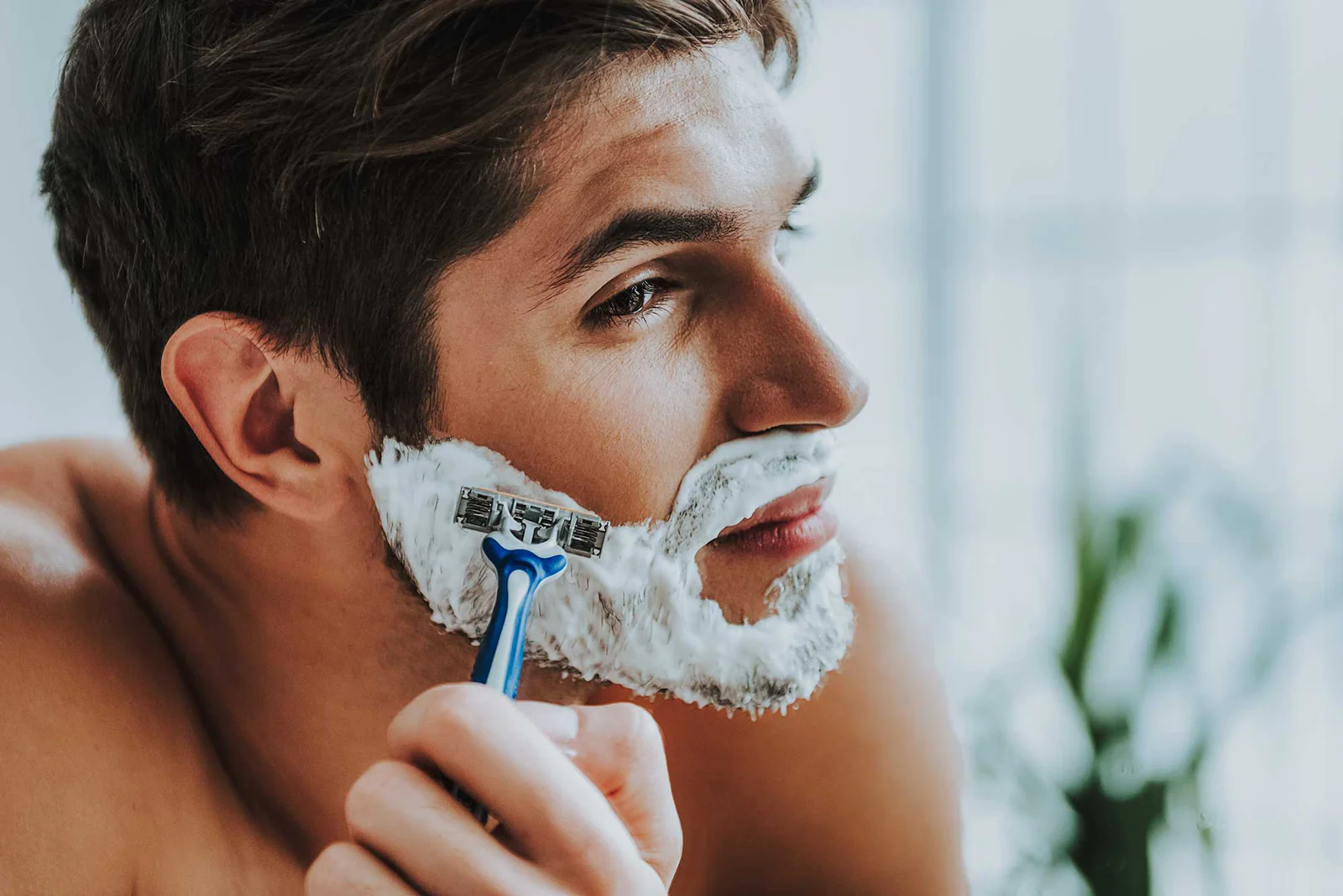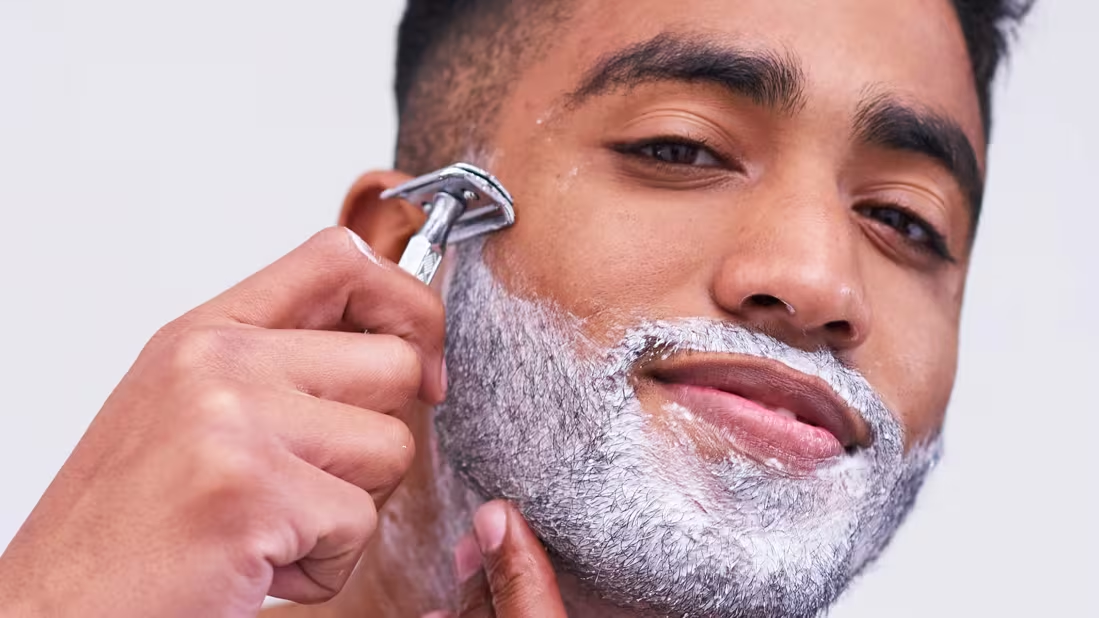

Shaving your face smoothly without irritation is something many people struggle with because even small mistakes in preparation, tools, or technique can lead to razor bumps, redness, and discomfort. Whether you shave daily or only a few times a week, learning the right approach can completely transform your shaving routine. A smooth shave is not about expensive products but about understanding what your skin needs and how to shave gently and effectively. By following the right steps, you can enjoy consistently comfortable, irritation-free results every time you shave.
Prepare Your Skin Before You Shave
Preparing your skin is the foundation of a smooth shave, and skipping this step is one of the main reasons irritation happens. Warm water softens your facial hair, opens your pores, and makes each hair easier to cut. This reduces friction and prevents tugging. Washing your face with a gentle cleanser removes oil and dirt, which helps the razor glide more easily across your skin. Exfoliating two or three times a week removes dead skin cells and helps prevent ingrown hairs by lifting trapped hair from beneath the surface.
Choose the Right Razor for Your Skin Type
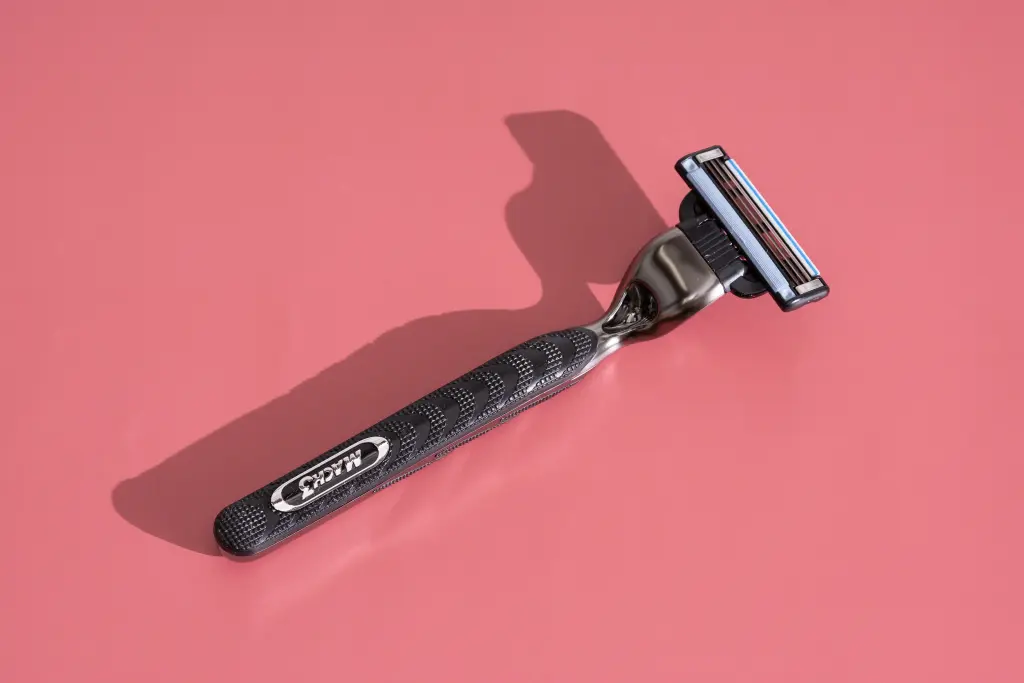
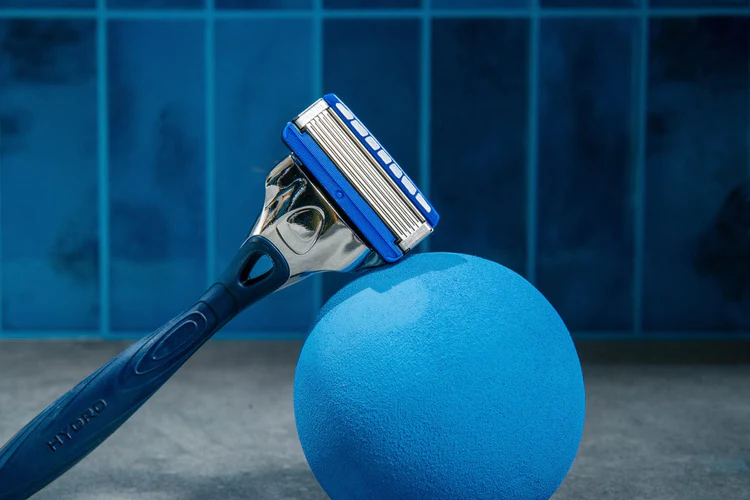
The razor you use has a major impact on whether your skin feels smooth or irritated afterward. A dull blade drags across your skin and causes micro-cuts, which can turn into razor burn. A sharp, high-quality razor, however, cuts cleanly and comfortably. People with sensitive skin often prefer single-blade or safety razors because they cut hair at the surface without scraping the skin repeatedly. Multi-blade razors can give a very close shave, but they must be used gently. Electric shavers are a great option for those who want minimal irritation because they avoid cutting too close to the skin.
Use a High-Quality Shaving Cream or Gel
Never shave on dry skin because it creates friction and almost always leads to irritation. A good shaving cream or gel creates a protective layer that allows the razor to glide smoothly over the skin. Look for moisturizing ingredients such as aloe vera, glycerin, or natural oils, especially if you have sensitive skin. Avoid shaving foams with alcohol, as they dry out the skin and increase redness. Letting the cream sit for a minute helps soften the hair further and makes shaving easier and safer.
Follow the Correct Shaving Technique
Even with great products, using the wrong technique can cause irritation. Shaving with the grain, meaning in the direction your hair naturally grows, reduces the chance of razor bumps and ingrown hairs. Shaving against the grain might feel closer, but it increases the risk of pulling the hair at the root and irritating your skin. Use gentle pressure and short strokes instead of dragging the razor across your face quickly. If you want a closer shave after your first pass, reapply shaving cream and shave lightly across the grain rather than against it.
Rinse the Razor Frequently During Shaving
Rinsing your razor after every few strokes helps keep the blades clean so they cut smoothly. When shaving cream and hair clog the razor, it begins to drag and irritate your skin. Rinse with warm water to maintain blade performance. Avoid tapping the razor against the sink because it can damage the blades. Also keep the blades clean and dry after shaving to prevent bacteria growth, which can contribute to irritation.
Close Your Pores After Shaving
Once you finish shaving, rinse your face with cold water. This helps close your pores, reduce redness, and calm the skin. Instead of rubbing your face dry, gently pat it with a clean towel to avoid friction. Freshly shaved skin is sensitive, so gentle care at this stage is important to prevent irritation and support healing.
Apply a Soothing Aftershave or Moisturizer
Proper post-shave care is essential for keeping your skin smooth and irritation-free. Use an alcohol-free aftershave or moisturizer containing soothing ingredients such as aloe vera, chamomile, hyaluronic acid, or vitamin E. These ingredients hydrate the skin and help repair its protective barrier. Alcohol-based aftershaves sting and dry out the skin, making irritation worse, so it is best to avoid them. Moisturizing immediately after shaving helps calm the skin and prevent dryness and flakiness.
Replace Your Razor Blades Regularly
A blade that has been used too many times becomes dull and increases the risk of pulling, tugging, and cutting the skin. Replace your razor blade every five to ten shaves depending on how thick your facial hair is. If you feel dragging or see rust, it’s time to switch to a new blade. Keeping your razor in good condition is one of the easiest ways to prevent irritation.
Adjust Your Shaving Frequency
Not everyone can shave every day without irritation. If you have sensitive skin, shaving every other day or even every two days gives your skin time to recover and stay healthy. Pay attention to how your skin reacts, and adjust your routine accordingly. Comfort should always come before frequency when it comes to shaving.
FAQs
How can I prevent razor bumps?
Use a sharp blade, exfoliate regularly, shave with the grain, and moisturize afterward. These steps reduce irritation and prevent hair from curling back into the skin.
Is it better to shave before or after a shower?
Shaving after a warm shower is best because the heat softens hair and opens pores, making shaving smoother and less irritating.
Can sensitive skin still get a close shave?
Yes, as long as you use gentle techniques, the right razor, quality shaving cream, and a soothing moisturizer afterward.
How do I treat razor burn quickly?
Apply aloe vera, a fragrance-free moisturizer, or a cool compress to soothe the skin and reduce redness.
Are electric razors better for preventing irritation?
Electric razors work well for people who want minimal irritation because they don’t cut as close to the skin.
Conclusion
Smooth, irritation-free shaving comes down to preparation, technique, and aftercare. By softening your hair, using the right razor, shaving with the grain, and applying a soothing moisturizer afterward, you can achieve consistently comfortable results. Following these steps helps protect your skin, prevent irritation, and make shaving a more enjoyable part of your daily routine.