
Getting a close shave using any razor is a skill that many people wish they could master. A close shave not only enhances your appearance but also leaves your skin feeling smooth and refreshed. The key to achieving this look isn’t necessarily an expensive razor or fancy shaving cream—it’s all about preparation, technique, and proper aftercare. With the right approach, anyone can shave closely and comfortably while minimizing irritation, razor burn, and bumps.
Prepare Your Skin Properly
The foundation of a close shave begins with properly preparing your skin. Shaving on dry or unclean skin increases friction, which can lead to discomfort and irritation. Start by washing your face with warm water to soften your facial hair and open your pores. A gentle cleanser removes dirt, oil, and bacteria, ensuring a smoother shave. Exfoliating your skin two to three times a week is also highly recommended because it removes dead skin cells and prevents hairs from becoming trapped under the surface, reducing the risk of ingrown hairs.
Choose the Right Shaving Product
Whether you are using a disposable razor, safety razor, cartridge razor, or electric razor, applying the right shaving product is crucial. High-quality shaving creams, gels, or oils provide lubrication and reduce friction, allowing the blade to glide smoothly. Look for products with hydrating and soothing ingredients such as aloe vera, glycerin, shea butter, or natural oils. Avoid products containing alcohol, which can dry out your skin and increase the risk of irritation. Allow the shaving product to sit on your skin for a minute before you begin shaving to soften the hair further.
Select the Best Razor for Your Skin
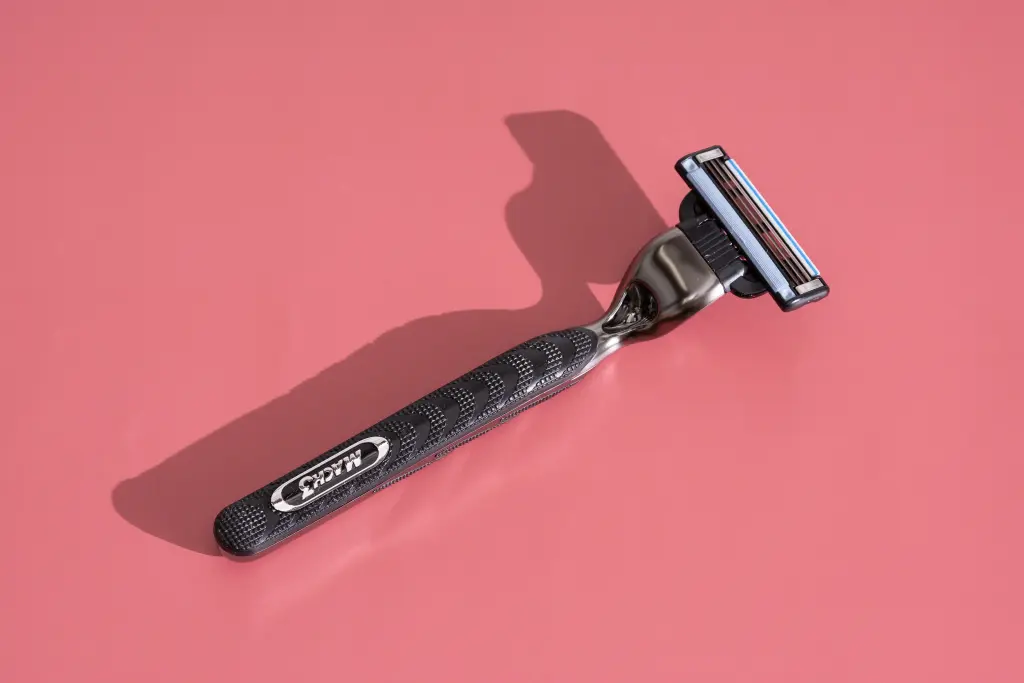
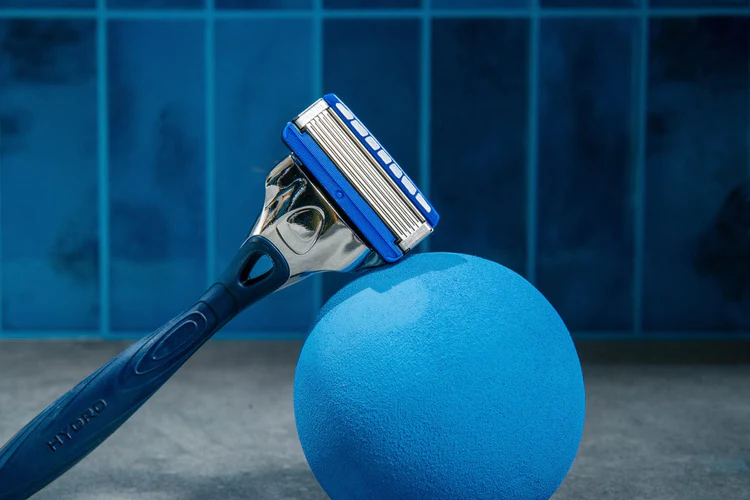
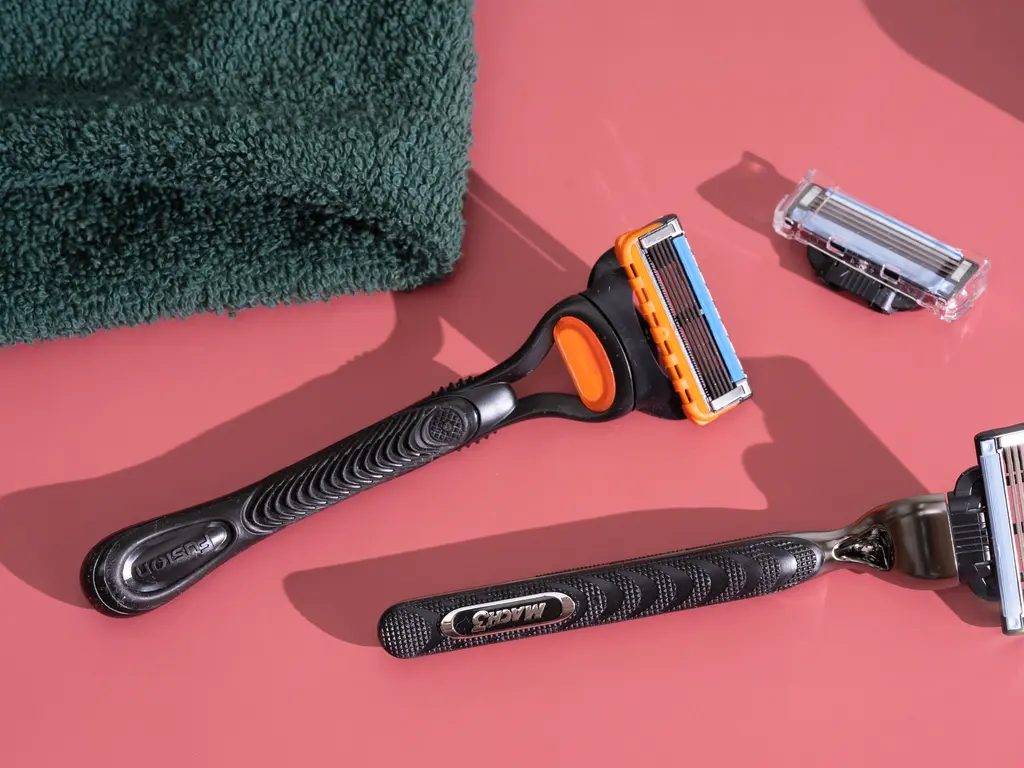
Achieving a close shave is possible with any razor, as long as it is sharp and well-maintained. Dull blades tug at the hair and damage your skin, while clean, sharp blades slice through hair effortlessly. Multi-blade razors provide a very close shave, but you must use gentle strokes to avoid scraping the skin. Single-blade or safety razors are excellent for sensitive skin and provide precise results without excessive irritation. Electric razors are also an option, especially for those prone to cuts or razor burn, as they reduce friction while offering a clean finish.
Shave With the Correct Technique
Technique plays a critical role in obtaining a close shave. Always start by shaving with the grain, which is the natural direction of your hair growth. This reduces tugging and minimizes the risk of razor bumps. After the first pass, if your skin tolerates it, you can reapply a small amount of shaving cream and shave lightly across or against the grain for an even closer result. Use short, controlled strokes rather than dragging the razor across large areas, and apply light pressure—let the blade do the work.
Rinse and Maintain Your Razor
Keeping your razor clean during shaving is essential for a close shave. Rinse the blade under warm water after every few strokes to remove hair and shaving cream buildup. A clogged blade will drag on the skin and reduce effectiveness. Avoid tapping the razor on the sink, as this can damage the blade. After shaving, clean and dry your razor thoroughly to prevent rust and bacteria buildup. Replacing blades regularly—typically every five to ten shaves—ensures that your razor remains sharp and effective.
Post-Shave Care
Proper post-shave care is vital to maintaining smooth skin and preventing irritation. Rinse your face with cold water to close the pores and reduce redness. Pat your face dry gently with a clean towel rather than rubbing. Apply an alcohol-free aftershave or moisturizer containing soothing ingredients like aloe vera, chamomile, or vitamin E. Moisturizing restores hydration, repairs the skin barrier, and keeps your skin smooth for the next shave. Avoid alcohol-based aftershaves, as they can sting and dry out freshly shaved skin.
Adjust Your Shaving Frequency
For those who want a close shave but have sensitive skin, shaving every day may cause irritation. Spacing out your shaves to every other day or every few days gives your skin time to recover. Pay attention to how your skin reacts, and adjust your routine accordingly. The goal is to achieve a close shave without compromising skin health.
FAQs
Can I get a close shave with any razor?
Yes, a close shave is possible with any razor as long as the blade is sharp, your skin is properly prepared, and you use correct technique.
Should I shave with or against the grain for a closer shave?
Start with the grain to reduce irritation, then lightly shave across or against the grain for an even closer result if your skin tolerates it.
How often should I replace my razor blade?
Replace your blade every five to ten shaves, depending on hair thickness and frequency of use, to maintain sharpness and prevent tugging.
Is it better to shave before or after a shower?
Shaving after a warm shower is ideal because the heat softens hair and opens pores, making the shave smoother and more comfortable.
What post-shave products are best for smooth skin?
Alcohol-free aftershaves or moisturizers with soothing ingredients like aloe vera, chamomile, glycerin, or vitamin E are best to hydrate and calm the skin.
Conclusion
Getting a close shave using any razor is achievable with proper preparation, technique, and aftercare. By softening your hair, choosing the right products, maintaining sharp blades, shaving with controlled strokes, and caring for your skin afterward, you can achieve a smooth, irritation-free shave. With consistent practice, anyone can shave closely and comfortably, making shaving a simple and effective part of your daily grooming routine.