Shaving is a daily routine for many people, but deciding between wet shaving and dry shaving can be confusing. Each method has its own benefits, drawbacks, and ideal use cases, and understanding the differences can help you choose the technique that works best for your skin type, hair type, and lifestyle. Wet shaving involves using water and shaving products like cream, gel, or soap to create a lather, while dry shaving uses electric razors without any moisture. Both methods can provide a clean shave, but the experience, results, and skin impact differ significantly.
What Is Wet Shaving?
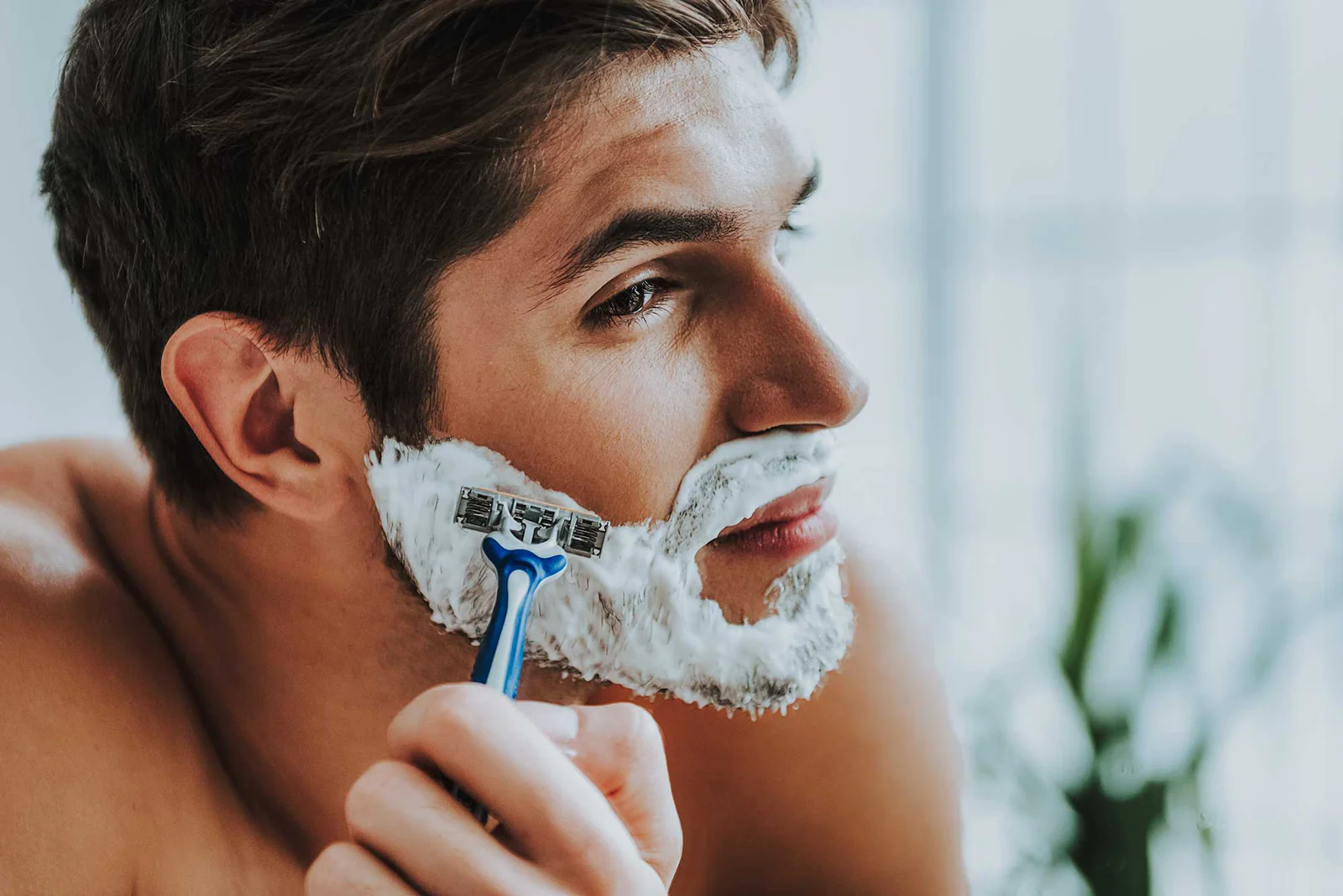
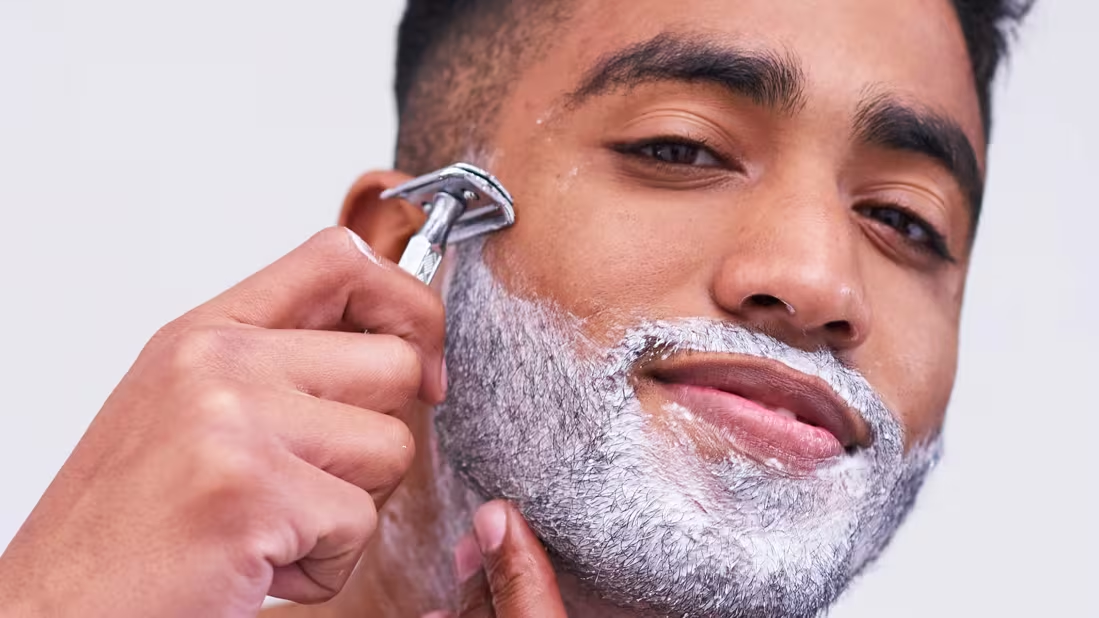
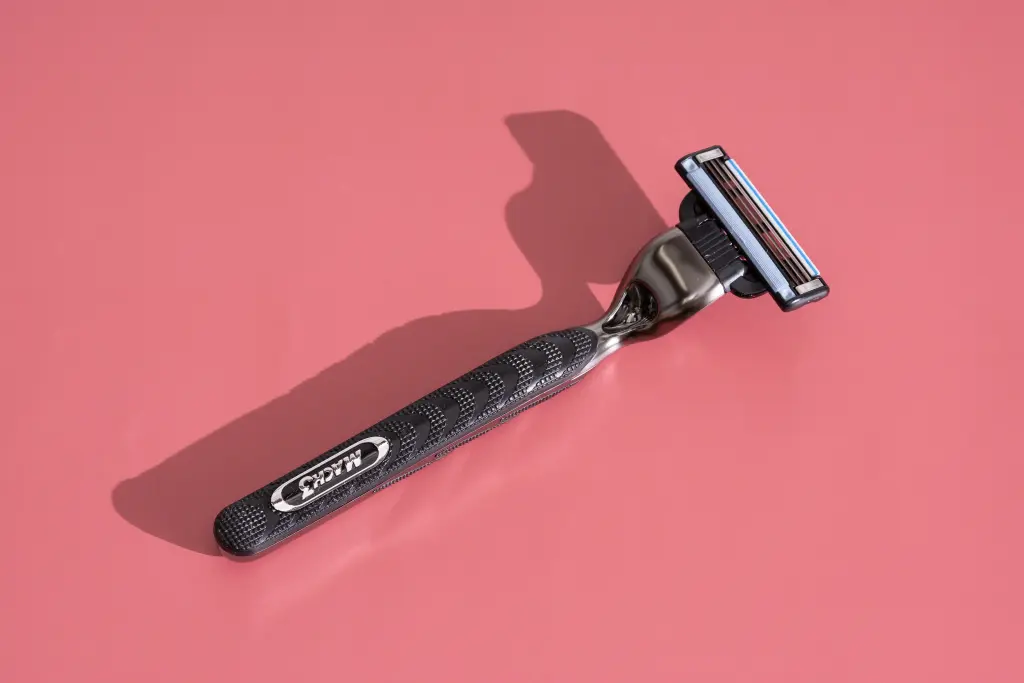
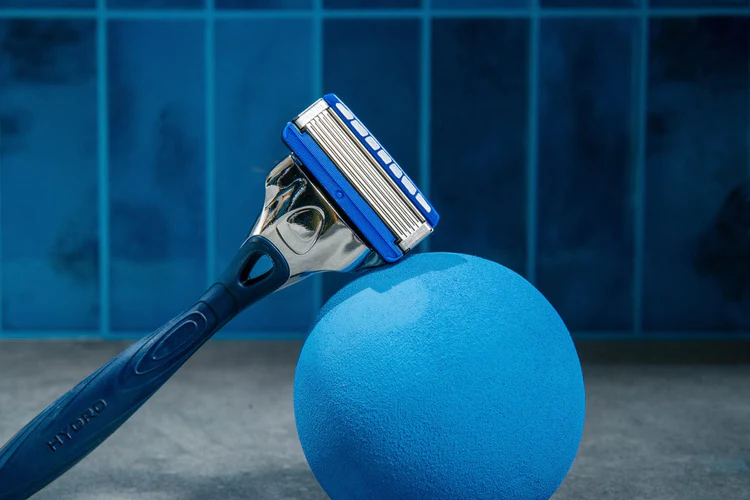
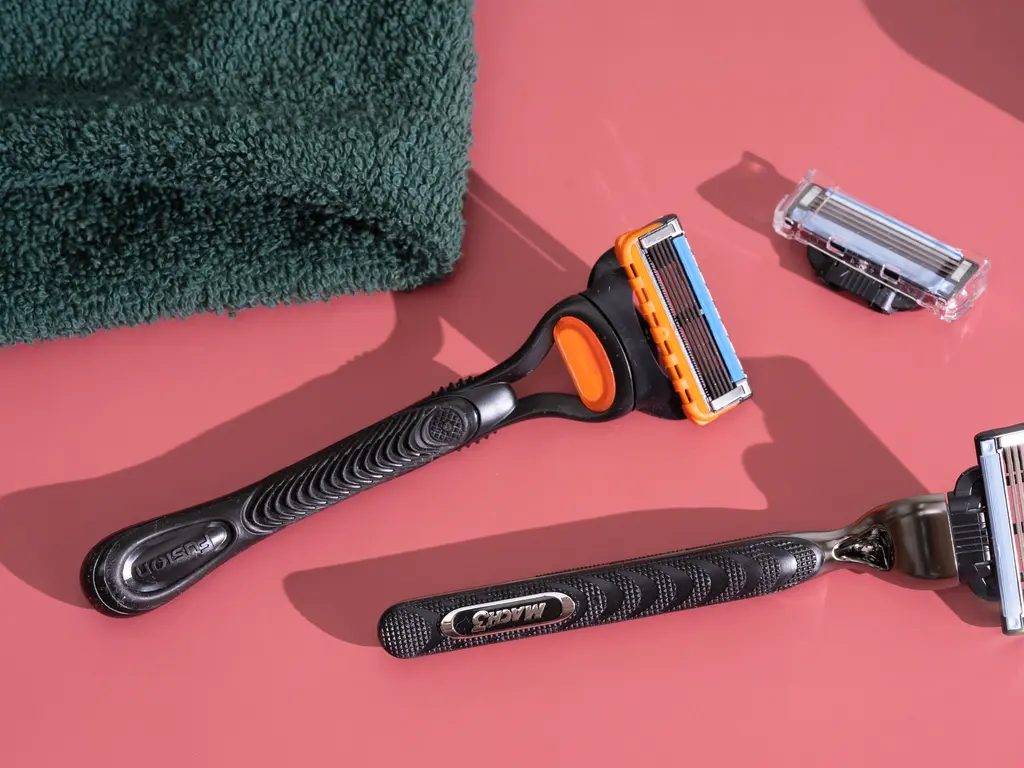
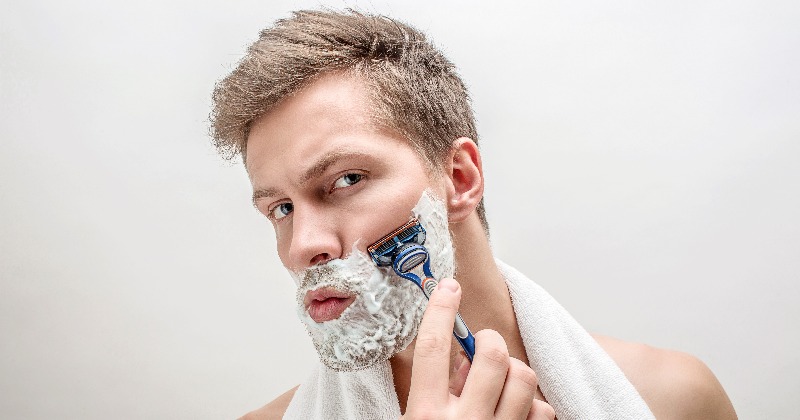
Wet shaving is the traditional shaving method that involves using warm water, shaving cream or gel, and a manual razor. The process typically starts with washing the face or area to be shaved, applying a shaving cream or gel to soften the hair, and then shaving with a razor. Wet shaving offers several advantages. The water and shaving product help soften the hair and open the pores, reducing friction and making it easier to cut hair close to the skin. This results in a smoother shave and often a closer finish. Wet shaving can also be a relaxing experience because it allows more control over the blade and technique. However, it may take longer than dry shaving and requires more preparation and cleanup. People with sensitive skin must use gentle products to avoid irritation or razor burn.
What Is Dry Shaving?
Dry shaving uses electric razors that do not require water or shaving cream. This method is fast, convenient, and ideal for people who shave on the go or have limited time. Dry shaving is generally gentler on the skin since electric razors do not cut as closely as manual blades, reducing the risk of nicks and cuts. It’s also less messy because there is no lather or water involved. However, dry shaving may not provide as close of a shave as wet shaving and can sometimes leave behind stubble that requires multiple passes. People with coarse hair may find that electric razors struggle to capture shorter or stubborn hairs.
Pros and Cons of Wet Shaving
Wet shaving is praised for giving a very close shave and a smoother overall feel. It allows precise control, making it easier to shave tricky areas like the jawline or neck. Additionally, wet shaving can exfoliate the skin, removing dead cells and promoting healthier skin. On the downside, it takes more time, requires water, shaving cream, and manual effort, and there’s a higher risk of cuts if not done carefully. Sensitive skin may react to certain shaving products, so choosing gentle, alcohol-free creams is crucial.
Pros and Cons of Dry Shaving
Dry shaving is convenient, fast, and less messy. It’s excellent for people with sensitive skin prone to cuts, as electric razors are generally safer. Dry shaving also eliminates the need for water or additional products, making it travel-friendly. However, it usually does not provide as close a shave as wet shaving. Some users experience skin irritation or redness from repeated passes with an electric razor. Dry shaving may also leave short stubble, which may require multiple passes or maintenance between shaves.
Which Method Is Better for You?
Choosing between wet and dry shaving depends on your priorities. If your goal is a very close shave and you don’t mind spending extra time, wet shaving is usually the better option. It works well for people with thick or coarse hair and those who want a smooth, polished finish. If convenience, speed, and safety are more important, dry shaving with an electric razor may be the better choice. Dry shaving is also ideal for sensitive skin or people who shave daily and want to reduce the risk of nicks. Many people combine both methods, using wet shaving on certain days for closeness and dry shaving for quick touch-ups.
Tips for a Better Wet Shave
Always prepare your skin with warm water, use a sharp razor, and apply a high-quality shaving cream. Shave with the grain first and lightly against the grain for extra smoothness. Rinse the razor frequently and moisturize after shaving to soothe the skin. Replace blades regularly to avoid tugging and irritation. Gentle exfoliation before shaving helps prevent ingrown hairs.
Tips for a Better Dry Shave
Ensure your electric razor is clean and fully charged. Shave in short, controlled motions and avoid pressing too hard on the skin. Some electric razors have pre-shave attachments or trimmers for long hair, which improves comfort and results. Moisturizing after shaving is still important to prevent dryness. Replace the foil or blades as recommended by the manufacturer to maintain efficiency.
FAQs
Can I switch between wet and dry shaving?
Yes, many people alternate between wet and dry shaving depending on time, convenience, or desired closeness.
Is dry shaving better for sensitive skin?
Generally, yes, because electric razors reduce the risk of cuts and razor burn.
Which method provides a closer shave?
Wet shaving usually gives a closer shave because the blade cuts hair directly at the skin level.
Do I need special products for dry shaving?
Dry shaving doesn’t require shaving cream or water, but using pre-shave lotions or moisturizers can improve comfort.
Can wet shaving prevent ingrown hairs better than dry shaving?
Yes, wet shaving with proper exfoliation and technique can help lift hairs and reduce ingrown hairs, though careful dry shaving can also minimize them.
Conclusion
Both wet and dry shaving have unique advantages, and the best choice depends on your skin type, hair type, and lifestyle. Wet shaving provides a closer, smoother finish but requires more time and preparation, while dry shaving offers convenience, speed, and lower risk of cuts. Understanding the pros and cons of each method, preparing your skin, and following proper technique will help you achieve a comfortable, irritation-free shave. Many people benefit from combining both methods to meet their grooming needs efficiently while keeping their skin healthy and smooth.